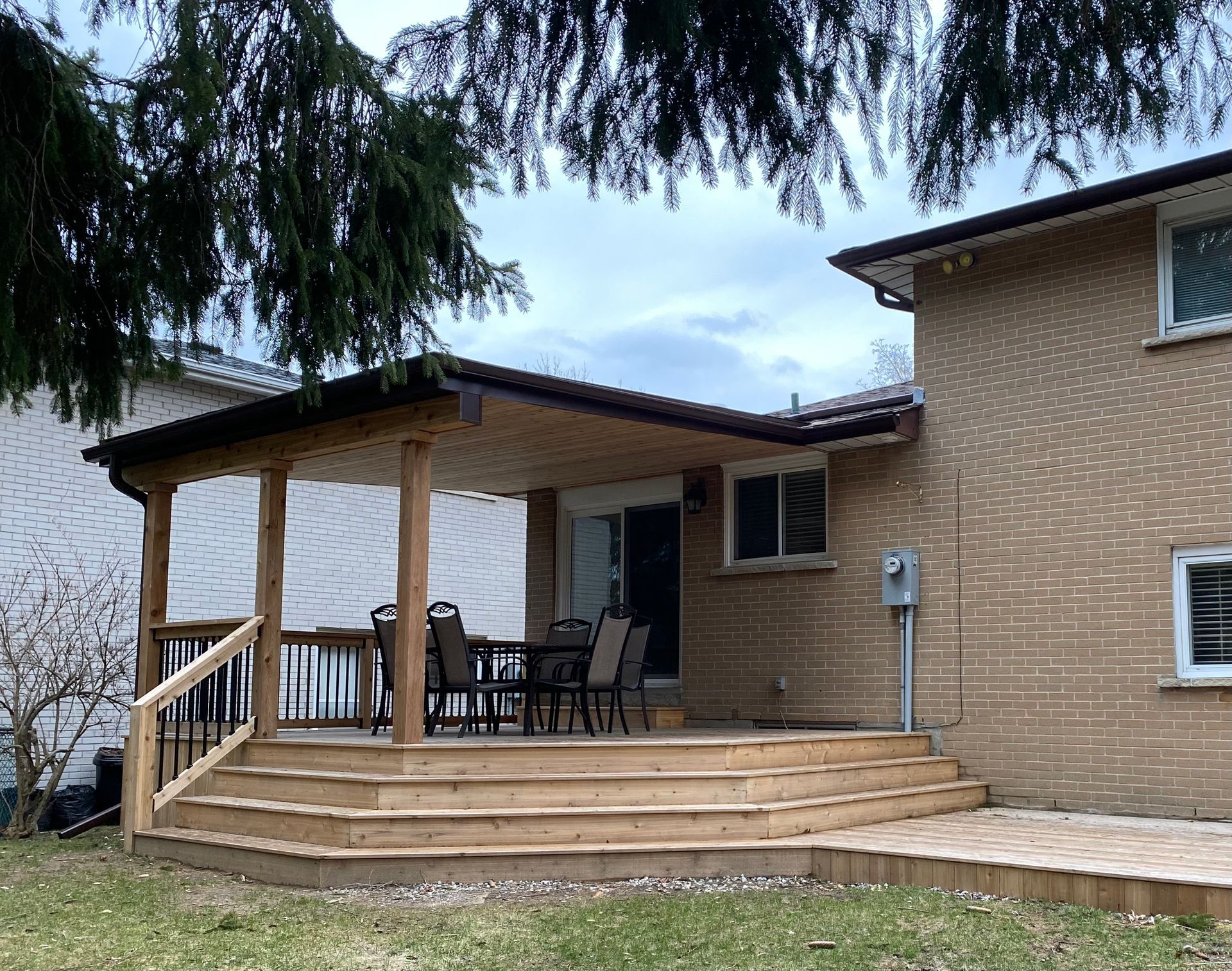
Spring Thaw Deck Inspection: What to Check Before BBQ Season Starts
Mississauga Decks and Trim • March 4, 2026
March in Mississauga is the turning point: daytime sun, freezing nights, and the first real spring thaw. That freeze-thaw cycle is tough on outdoor wood and fasteners, and it’s also when small issues quietly become expensive repairs. Before you pull out the grill for Victoria Day weekend or the first warm Saturday, a spring deck inspection can help you spot early warning signs and keep your outdoor space safe.
Whether you’re in Mississauga, Oakville, Burlington, Etobicoke, Milton, or anywhere across the GTA, here’s a practical checklist to follow after winter.
Why The Spring Thaw Is Hard On Decks In The GTA
Southern Ontario winters don’t just bring snow; they bring repeated thawing, refreezing, and pooling water. That movement can loosen hardware, widen cracks, and accelerate rot where moisture gets trapped. If your deck is elevated, rooftop, or multi-level, the stakes are even higher because structural loads and drainage have less margin for error.
A spring deck inspection is especially important if your deck has:
- Older wood framing, especially near ledger boards
- Stairs and railings that get heavy traffic
- Low-slope areas where water sits
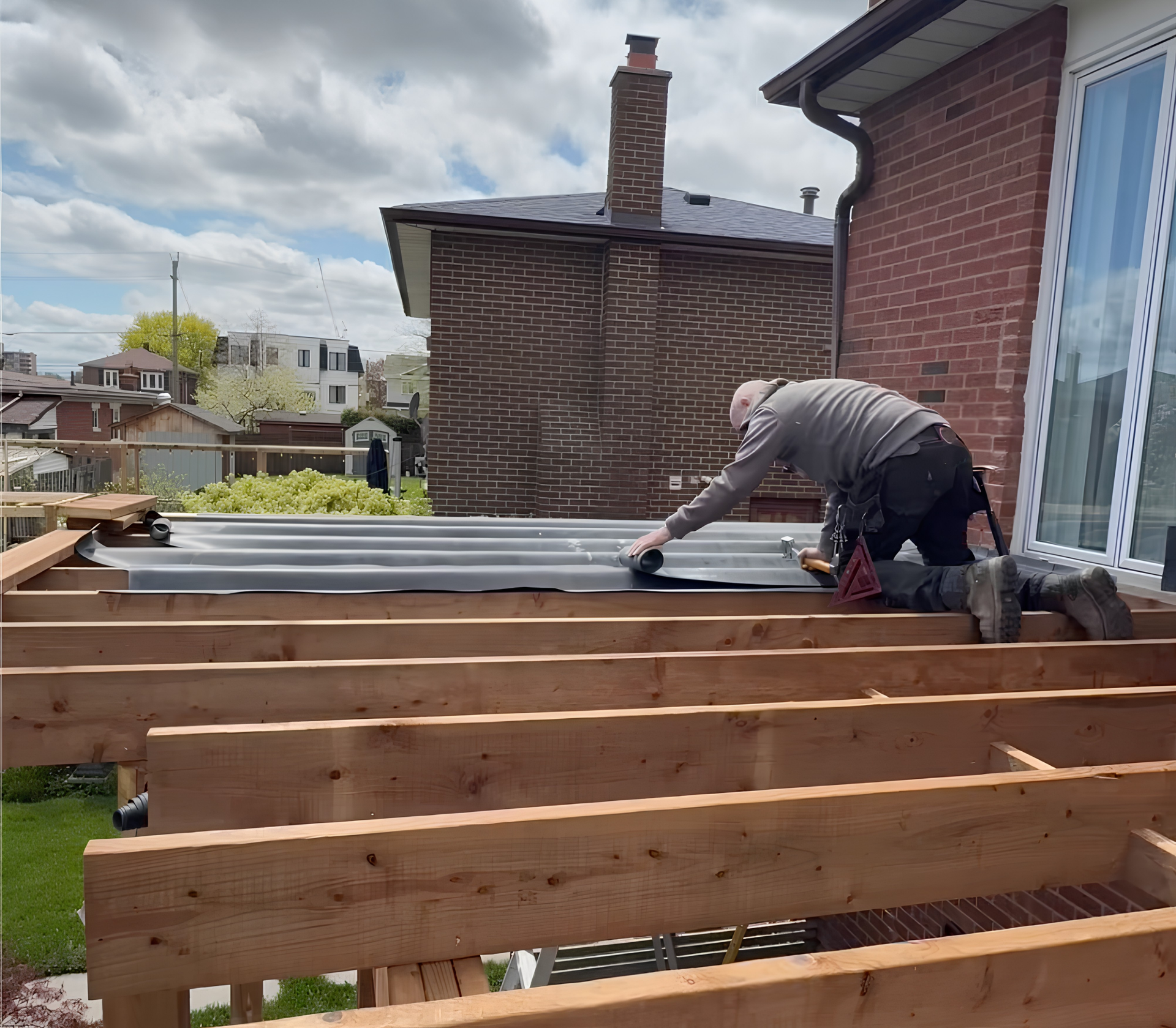
- Waterproofing membranes (common on rooftop decks)
The Structural Check: Safety First, Looks Second
Start with the parts that keep the deck safe and stable. Many deck failures happen where you can’t easily see the problem, so take your time here.
Check these key areas:
Ledger board connection to the house: Look for gaps, rust stains, or soft wood. The ledger should be tightly fastened and properly flashed to prevent water intrusion.
Posts, beams, and joists: Probe suspicious areas with a screwdriver. If it sinks in easily, you may have rot.
Fasteners and connectors: Replace rusted or missing hardware. Winter moisture can corrode nails and screws, especially on older builds.
Movement and bounce: If the deck feels springy, joints may have loosened or spans may be overstressed. Steel framing can reduce long-term movement on elevated decks by offering stronger spans and fewer posts.
If you’re unsure, a professional deck inspection in Mississauga can identify issues before they show up as visible sagging or cracked boards.
Decking Surface Red Flags: Boards, Cracks, And Trip Hazards
Once the structure checks out, walk the entire surface slowly.
Look for:
- Split or cupped boards, especially near butt joints
- Raised screws, popped nails, and protruding fasteners
- Soft spots where water may have penetrated
- Mold, algae, or dark staining in shaded areas
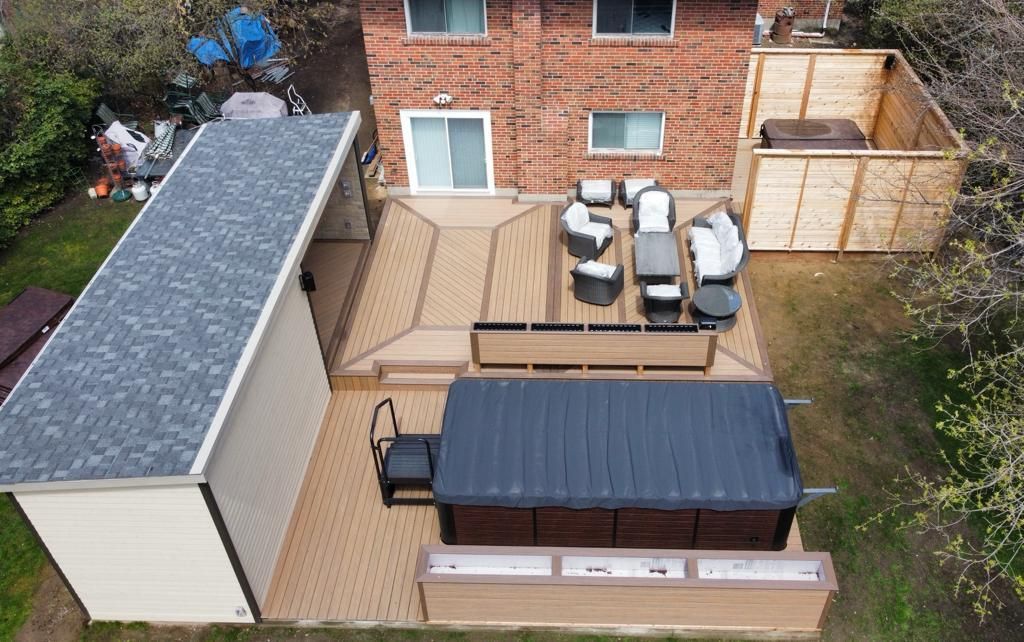
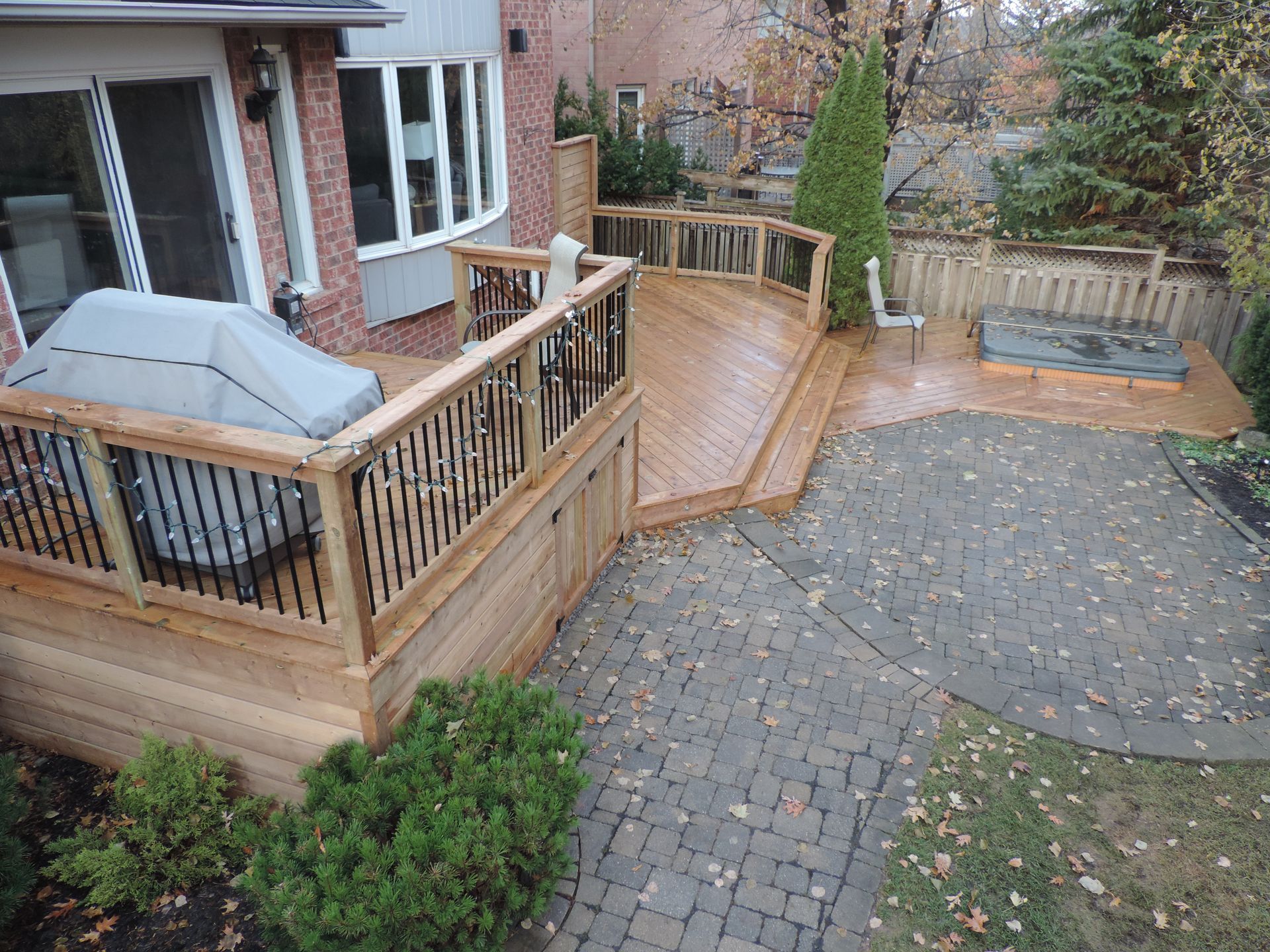
Loose picture framing, patterned sections, or inlays (these often move first if drainage is poor)
If you have cedar, expect some checking (fine cracks) as it dries out. If you have composite or PVC decking, watch for shifting at edges and ensure airflow beneath is not blocked by debris.
Railings And Stairs: The “Grab Test” Every Homeowner Should Do
Railings and stairs take constant use, and winter can loosen posts and brackets. A quick test can reveal whether you’re still within safe limits.
Do this:
- Grab the railing and gently shake it side-to-side. Any wobble is a sign the posts or connections need attention.
- Step on each stair tread and listen for squeaks or feel for flex.
- Check for uneven riser height (a common trip hazard after frost heave or settling).
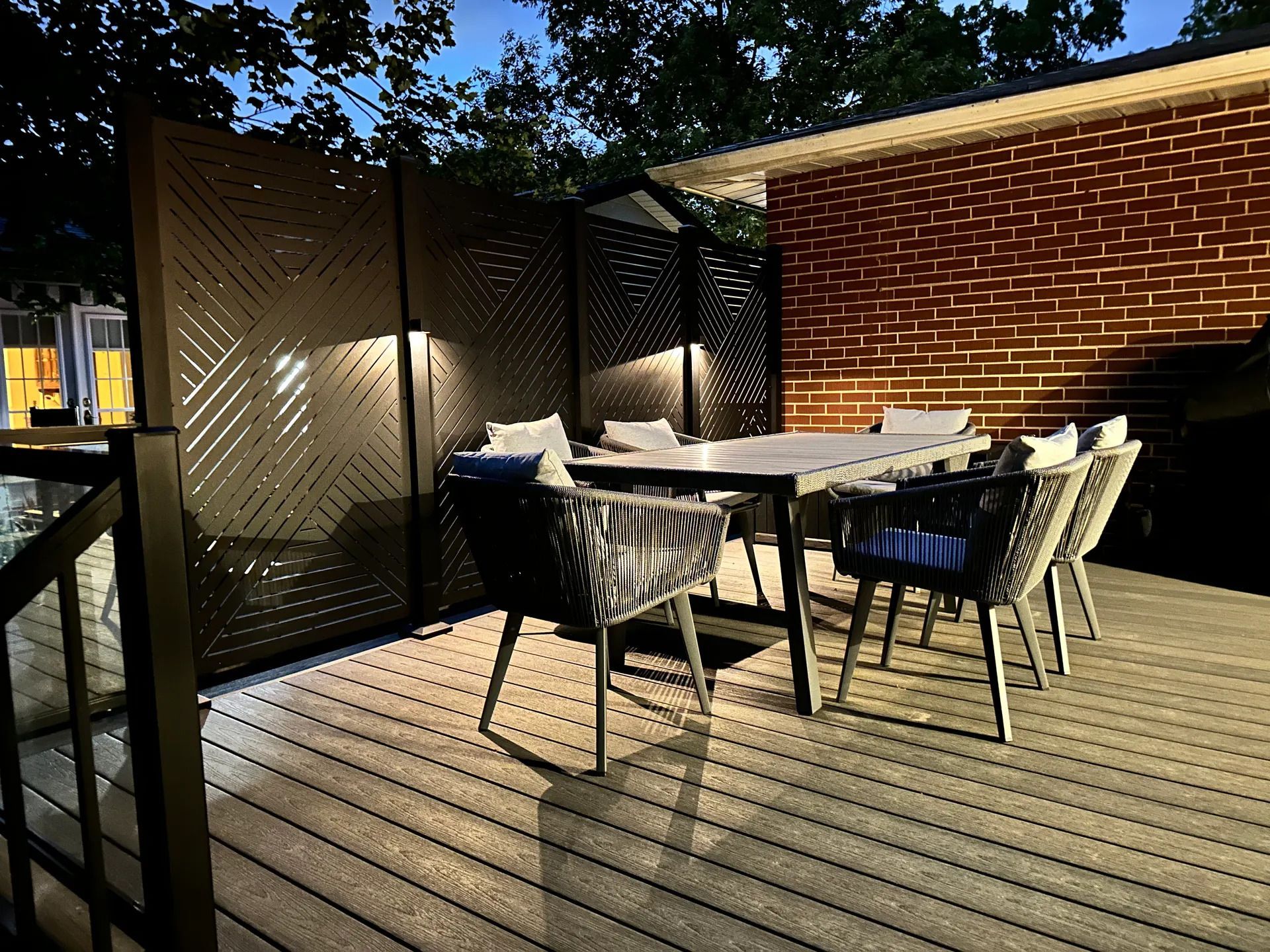
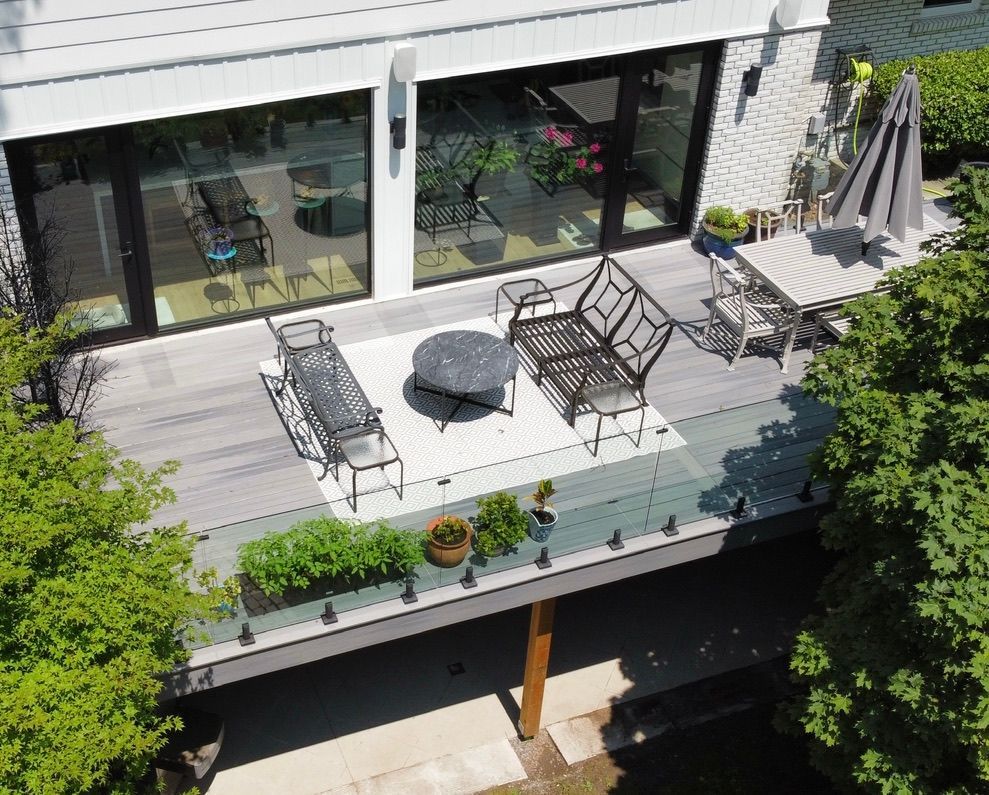
If you have glass railings, inspect spigot posts and clamps for corrosion, and ensure panels haven’t shifted. Topless glass railings are great for views, but they must remain perfectly secure after winter movement.
People Also Ask: How Often Should A Deck Be Inspected?
A common question homeowners ask is: How often should a deck be inspected? For most homes in Mississauga and the surrounding GTA, a quick homeowner inspection every spring is a smart habit, with a more thorough professional inspection every 1–2 years, or immediately if you notice movement, rot, or railing instability. This is especially important for elevated decks, rooftop decks, and multi-level designs where structural and waterproofing details are more complex.
Drainage And Waterproofing: Don’t Ignore The Underside
Spring thaw reveals drainage problems fast. If water is pooling on the surface or dripping where it shouldn’t, investigate before you start hosting.
Check:
- Downspouts and nearby grading: Ensure water isn’t being directed toward deck posts or stair landings.
- Under-deck areas: Look for damp insulation, staining, or mold on nearby surfaces.
- Rooftop deck waterproofing: Watch for bubbling, seam separation, or blocked drains.
In Mississauga’s spring rains, good drainage is the difference between a deck that lasts and one that deteriorates prematurely.
Get BBQ-Season Ready With Expert Help In Mississauga
A careful March inspection can extend the life of your deck, improve safety, and help you plan upgrades before peak season. If you find soft framing, unstable railings, stair issues, or signs of drainage trouble, Mississauga Decks & Trim can help with professional deck inspection, repairs, custom deck installation, railings, stairs, deck lighting, and waterproofing solutions across Mississauga, Toronto, Oakville, Burlington, Etobicoke, Milton, and the GTA.
Book a spring assessment now so your deck is ready for the first long weekend cookout, not scrambling for last-minute fixes when the weather finally turns.
Share This Blog