7 Tips For Combining Residential Landscaping and Patios Right
Mississauga Decks and Trim • September 16, 2026
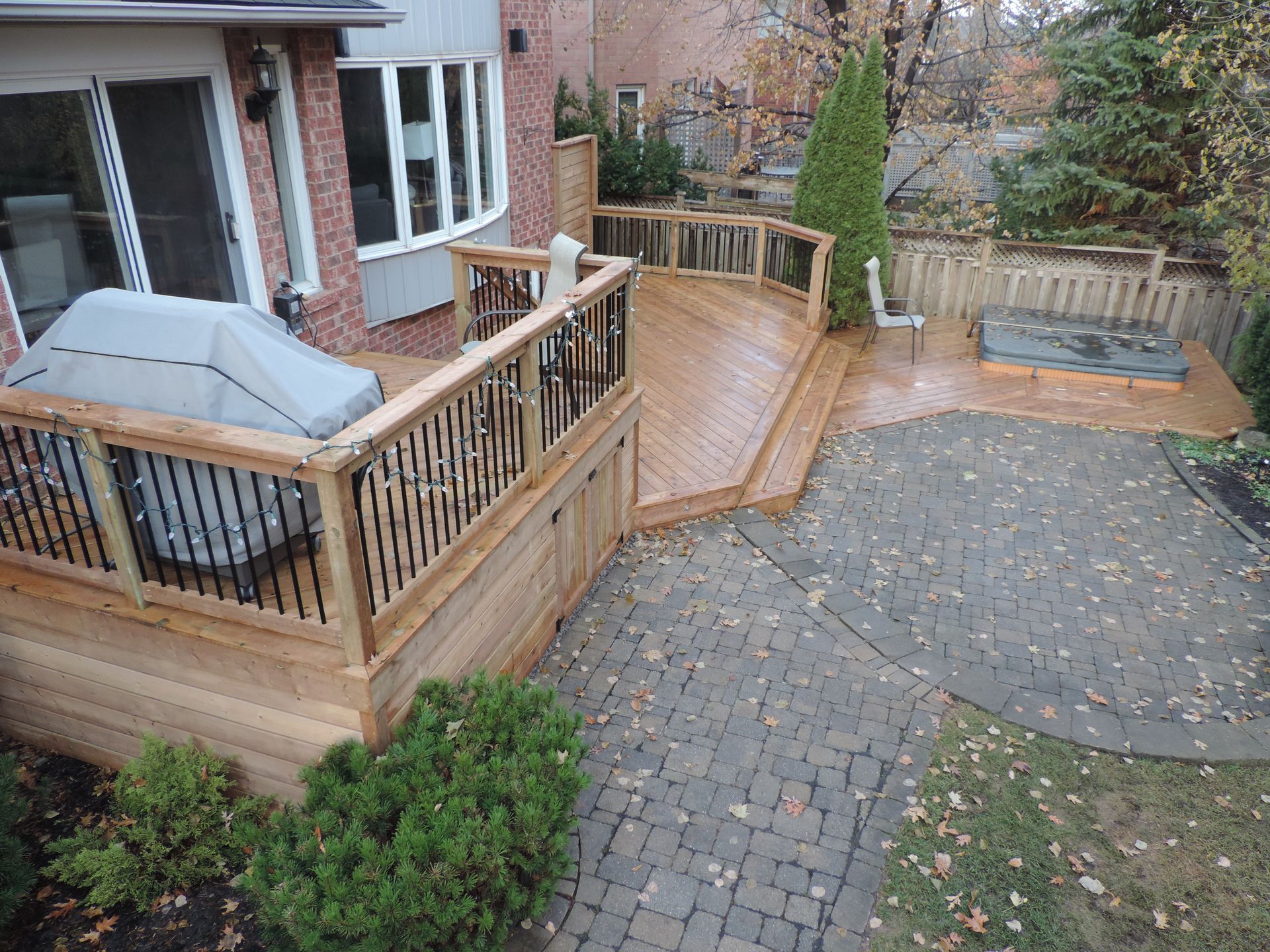
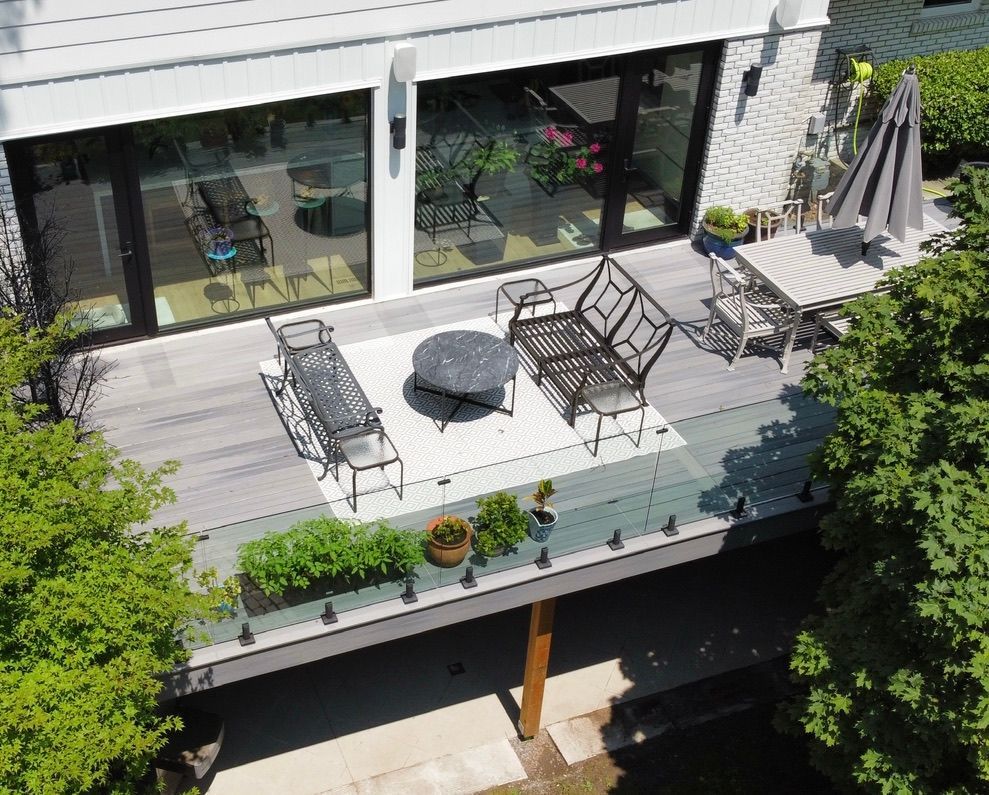
Merging stone hardscaping with living greenery takes careful planning to avoid long term maintenance headaches. Many property owners rush into building outdoor structures without considering how the roots and water runoff will interact with the foundation. Mississauga Decks and Trim understands that beautiful residential landscaping and patios require a perfect balance between organic plant life and solid functional surfaces. Getting this combination right from the start prevents your patio from sinking or cracking down the road.
Treating your lawn and your stone surfaces as two completely separate projects is a common error. The grading of the dirt dictates where the water flows during heavy rainstorms across Port Credit. Ignoring the specific needs of your soil will inevitably lead to shifting pavers and drowned garden beds. These specific trade tips will help you integrate both elements correctly.
What We Cover:
- Tip 1: Aligning Drainage Zones Correctly
- Tip 2: Matching Hardscape Materials To The Local Climate
- Tip 3: How Do You Blend Residential Landscaping and Patios Organically?
- Tip 4: Securing Deep Footings For Heavy Stone
- Tip 5: Balancing Plant Growth With Usable Square Footage
- Tip 6: Installing Proper Irrigation Below Hardscaping
- Tip 7: Planning For Future Outdoor Structures
- Building A Cohesive Backyard
Tip 1: Aligning Drainage Zones Correctly
Proper grading is the absolute foundation of any successful backyard project.
- Pitch And Slope: Ensure the stone surface is pitched slightly away from your home foundation to direct rainwater toward the lawn.
- French Drains: Install perforated pipes beneath the topsoil to catch excess runoff before it pools heavily around your patio edges.
Tip 2: Matching Hardscape Materials To The Local Climate
Using the wrong stone in a freeze and thaw environment causes rapid surface deterioration.
- Density Matters: Select dense interlocking pavers or natural flagstone that resist absorbing surface water.
- Joint Sand: Use polymeric sand between the paving joints to block weed growth and prevent shifting during the winter months.
A cohesive approach to your exterior property ensures the final result stands up to the elements over time. This is something clients notice firsthand when working with Mississauga Decks and Trim.
►Client Experience: Mike Hannon shared “His team were equally great during installation, ensuring we understood what was happening and answering any questions we had. We are so happy with the result and are now enjoying our new backyard space.”
Clear communication regarding exactly how the yard will function is what makes projects like Mike Hannon experienced so successful.
Tip 3: How Do You Blend Residential Landscaping and Patios Organically?
Harsh straight lines look incredibly unnatural when pressed directly against wild garden beds.
- Border Softening:
Plant low growing ground cover like creeping thyme along the edges of the stone to blur the harsh transition line.
- Stepping Stones: Run large flat rocks out from the main patio into the garden to create a gradual visual fade into the greenery.
Tip 4: Securing Deep Footings For Heavy Stone
Skipping the base preparation guarantees that your new outdoor surface will heave and buckle.
- Excavation Depth: Dig down far enough to install a heavy layer of compacted gravel base beneath the finishing stones.
- Compaction Passes: Run a plate compactor over the gravel base multiple times to eliminate air pockets that cause future settling.
Tip 5: Balancing Plant Growth With Usable Square Footage
Overplanting near your seating area rapidly shrinks your available entertaining space.
- Mature Sizing: Always research the final mature size of nearby shrubs to ensure they will not crowd your dining furniture in five years.
- Root Barriers: Install physical root barriers deep into the soil to stop aggressive tree roots from lifting your heavy patio stones.
Tip 6: Installing Proper Irrigation Below Hardscaping
Tearing up freshly laid stone to fix a broken water pipe is an expensive nightmare.
- Sleeving Pipes: Run tough PVC sleeves under the patio footprint so future irrigation lines can be passed through without digging.
- Zoned Watering: Set your garden sprinkler heads to point strictly away from the hardscaping to avoid staining the expensive stone over time.
Tip 7: Planning For Future Outdoor Structures
Your current patio layout must account for any future additions you might want later.
- Anchor Points:
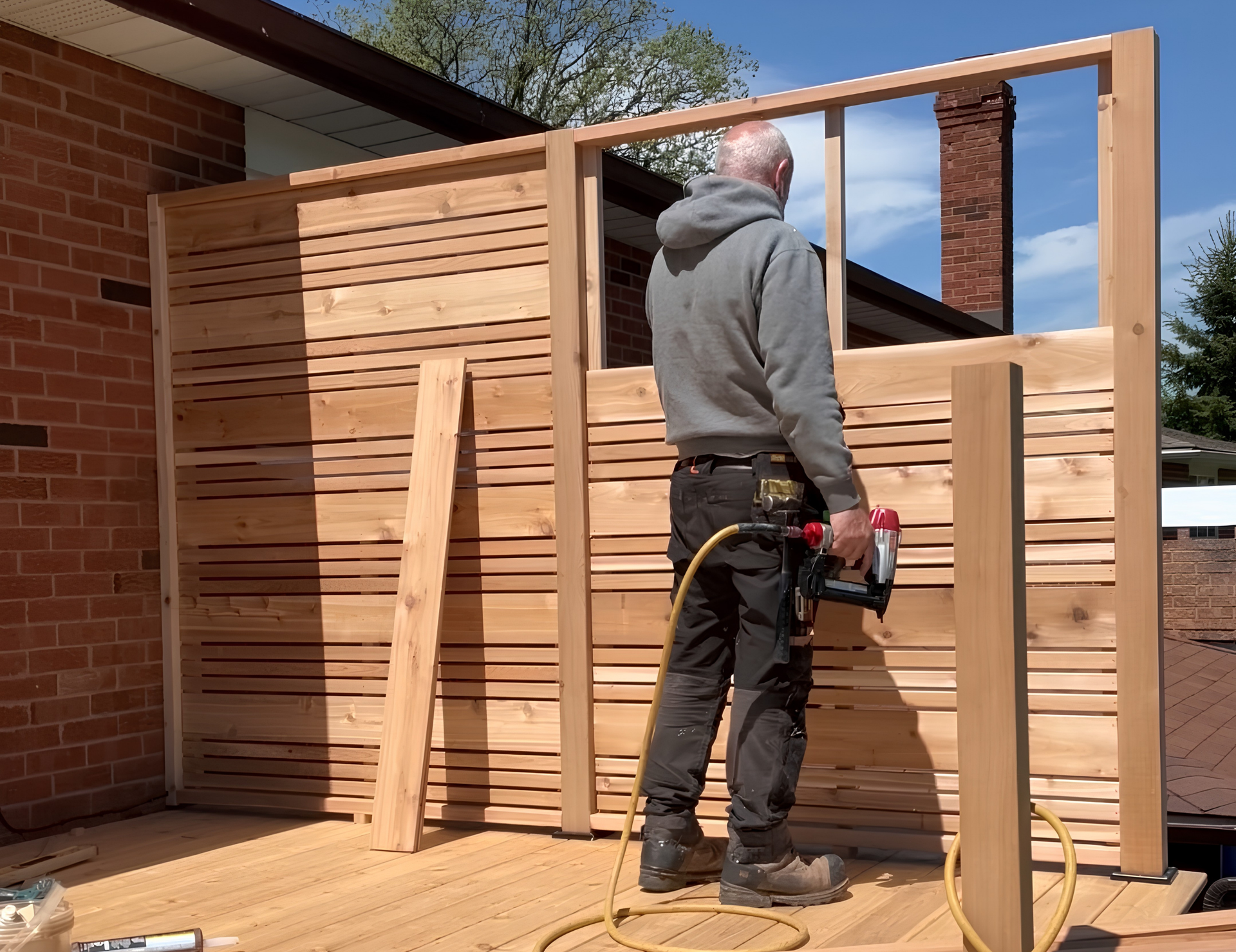
Pour concrete footings into the patio base now if you ever plan to add a heavy wooden gazebo or pergola overhead.
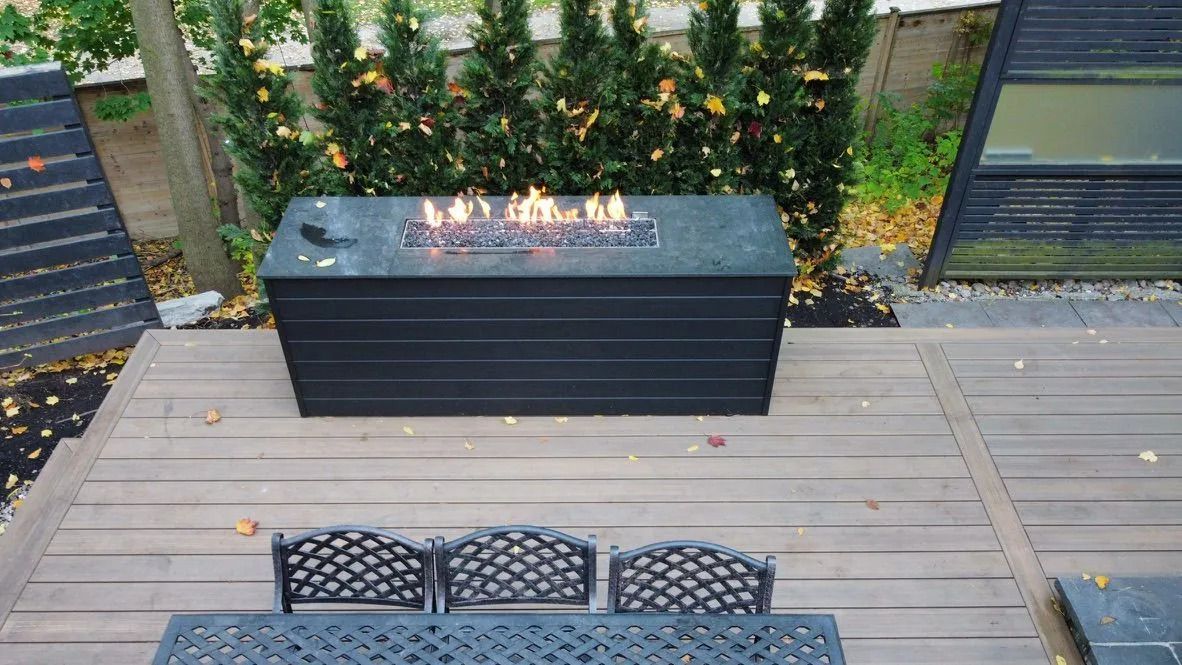
- Electrical Conduit: Bury electrical conduits under the base layer so you can easily add low voltage lighting without cutting into the pavers.
Building A Cohesive Backyard
Integrating your soft greenery with heavy hardscaping takes patience and serious technical knowledge. Getting the base layers and drainage right the first time ensures your exterior space will survive the harsh Ontario winters. Reach out to our design team to start planning an outdoor layout that works perfectly with your natural terrain.
Share This Blog