Composite Versus Hardwood Decking: Addressing Moisture Problems in the GTA
Mississauga Decks and Trim • August 5, 2026
Moisture is a constant threat to outdoor structures across the Greater Toronto Area. Homeowners often struggle to choose the right materials when faced with fluctuating humidity, rapid freeze cycles, and heavy seasonal rains. The team at Mississauga Decks and Trim regularly inspects properties where water damage has severely compromised the structural integrity of older platforms. Deciding between composite versus hardwood decking is the first step in addressing moisture problems in the GTA permanently.
Understanding how different materials react to standing water helps prevent costly repairs down the line. Wood fibers absorb moisture naturally over time, which leads to swelling, warping, and inevitable decay if left untreated. Synthetic boards resist water penetration completely, offering a reliable barrier against the elements. A proper material selection combined with professional deck waterproofing in Mississauga ensures your outdoor living space remains safe and functional for decades without needing constant upkeep.
In This Article:
- How Trapped Moisture Destroys Wooden Substructures
- What Happens If Water Gets Trapped Under My Deck Boards?
- Why DIY Waterproofing Often Accelerates Rot
- Technical Solutions For Long Term Stability
How Trapped Moisture Destroys Wooden Substructures
Moisture damage rarely starts on the visible surface of your outdoor space. Water seeps through the gaps in the floor and collects on the joists below, creating a permanently damp environment shielded from drying sunlight. Traditional softwood framing absorbs this moisture rapidly, causing the fibers to soften and lose their structural load capacity. Over time, this constant wetness breeds fungi that consume the wood from the inside out and causes metal fasteners to rust and snap.
→ A quick tip to remember: If your floorboards feel spongy when you walk on them, the underlying joists are likely already suffering from advanced rot.
What Happens If Water Gets Trapped Under My Deck Boards?
When precipitation fails to drain away from the substructure, the resulting humidity becomes trapped beneath the floorboards. This stagnant moisture cycle accelerates the decay of natural wood elements and compromises the entire ledger board connection attached to your home. Hardwood materials like Ipe offer dense natural resistance to this dampness, while capped composite boards block moisture penetration entirely from the top down. Without proper ventilation or an EPDM membrane to channel water away safely, the entire framework becomes a breeding ground for structural failure.
This is a pattern the team at Mississauga Decks and Trim hears regularly when consulting on major repair projects across the region.
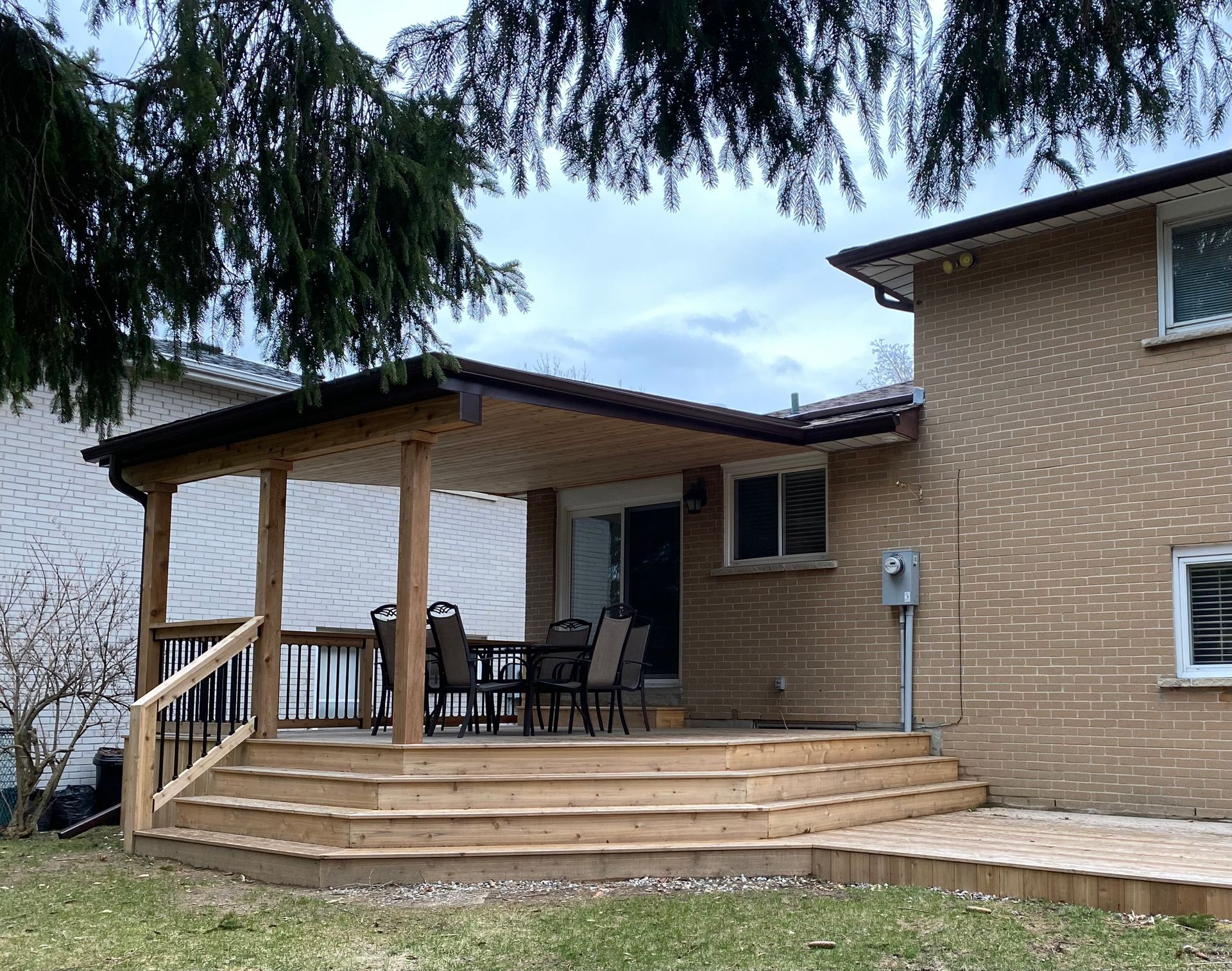
►Client Experience: John Comacchio shared “John and his crew, Art and Steve, were terrific from the start. They did a meticulous job in building our deck. We are very pleased with it, and it looks awesome! We would definitely use their services again.”
Building a sound structure that resists moisture requires the meticulous attention to detail that John Comacchio noticed during his installation.
Why DIY Waterproofing Often Accelerates Rot
Many homeowners attempt to solve drainage issues by applying thick layers of generic retail sealants directly over damp wood. Trapping existing moisture inside the timber actually speeds up the decay process rather than stopping it. Retail grade paints and spray coatings crack under the pressure of expanding wet wood, allowing new water in while preventing evaporation during dry spells. Professional builders know that moisture management requires proper grading, butyl joist tape, and breathable materials, not just a heavy surface coating.
→ From a professional standpoint: Never seal a wooden surface that has not been professionally dried and tested for core moisture content.
Technical Solutions For Long Term Stability
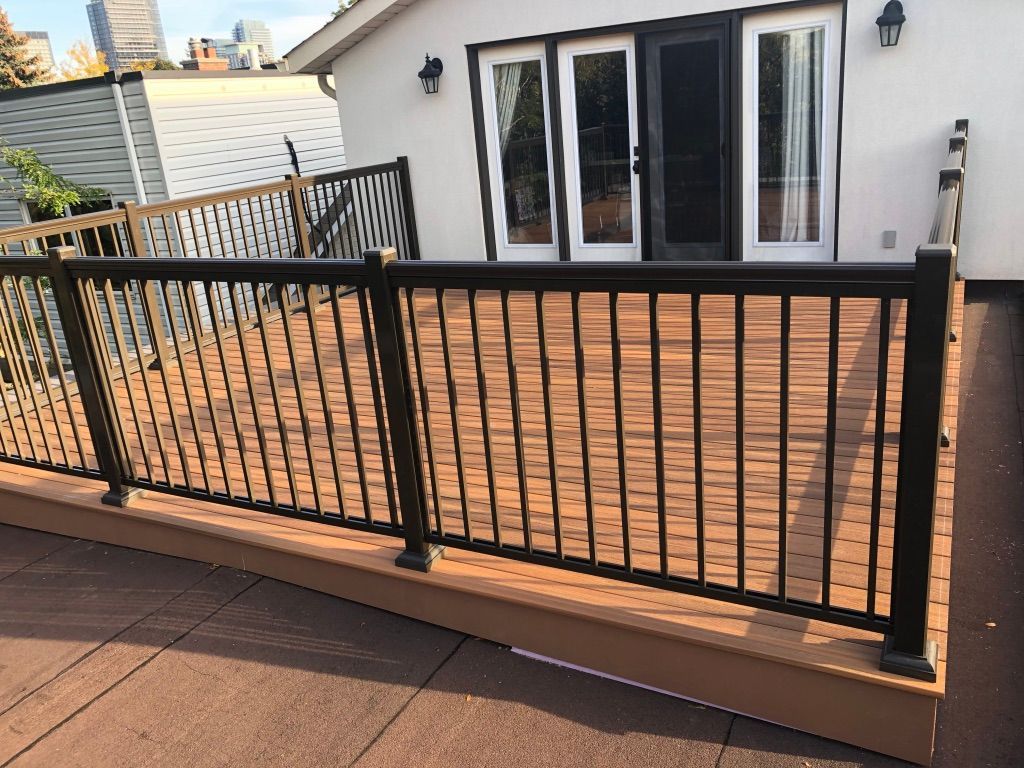
Solving moisture retention requires a strategic approach to both material selection and substructure protection. Installing a high quality composite floor prevents surface water absorption entirely and eliminates the need for future staining. For properties in areas like Port Credit where lake humidity is high, adding a dedicated EPDM drainage system under the floorboards keeps the framing bone dry. Pairing resilient top boards with expert substructure protection guarantees a reliable and safe outdoor living area for your family.
Secure Your Property Against Moisture Damage
Fixing water damage early saves thousands of dollars in emergency structural replacements. Assessing your current framing allows you to make an informed decision between heavy duty natural wood and modern synthetic materials. Contact our experts today to evaluate your property and plan a resilient outdoor solution.
Share This Blog